


IN THIS ARTICLE
Your skin looks dull when a buildup of dead skin cells, dehydration, stress, poor diet, or a lack of sleep prevents it from reflecting light efficiently. You can restore your skin's natural radiance by drinking more water, using gentle chemical exfoliants, getting adequate sleep, and eating a diet rich in vitamins C, E, and A.
Have you been looking in the mirror lately and asking yourself, "Why does my skin looks dull?" Many women notice their complexion losing its natural vibrancy over time, leaving them with a tired, flat appearance. This loss of radiance can happen for a variety of reasons, ranging from seasonal weather changes to daily habits that slowly deplete your skin's moisture barrier.
While a lackluster complexion can feel deeply frustrating, understanding the root causes is the first step toward finding an effective solution. Your skin is a highly responsive organ. It reacts to everything from the hours of sleep you get each night to the specific skincare products you apply each morning.
In this comprehensive guide, we will explore the most common reasons your skin might appear tired and lifeless. We will also walk through practical solutions, highly effective glowing skin tips, and lifestyle adjustments that support long-term skin health. By the end of this article, you will know exactly how to get glowing skin naturally and maintain that healthy appearance all year round.
What Does Having Dull Skin Actually Mean?
Before fixing the problem, you need to know exactly what you are treating. Dull skin is a broad term used by dermatologists and estheticians to describe skin that lacks a healthy, radiant glow. Healthy skin is smooth and hydrated, allowing it to reflect light evenly. Dull skin scatters light away, creating a flat, gray, or shadowed appearance.
Signs of dull skin often include:
- A noticeable lack of radiance or brightness
- An uneven skin tone with patches of discoloration
- A rough, bumpy, or flaky texture
- A dry or heavily dehydrated appearance
- A persistently tired-looking complexion, even after a full night of rest
- Reduced elasticity and firmness
Why Does Healthy Skin Naturally Glow?
To understand dullness, we have to look at what creates radiance. A glowing complexion is the result of several biological processes working efficiently together. Proper hydration keeps the skin cells plump and full, which creates a smooth surface for light reflection.
Healthy skin cell turnover is another crucial factor. Your body continuously sheds dead skin cells to reveal fresh, new cells underneath. When this process functions optimally, your complexion looks vibrant. Additionally, a balanced nutrition profile provides the building blocks for strong skin barrier function. Adequate collagen production, fueled by vitamins and proteins, maintains the skin's structural integrity so it stays firm and smooth.
Why Does My Skin Looks Dull? 8 Common Causes
If you are dealing with a lackluster complexion, one or more of the following factors is likely the culprit.
1. How Does Dehydration Impact Your Skin's Appearance?

Dehydration is one of the most common answers to the question, "why does my skin look dull?" There is a distinct difference between dry skin (a skin type lacking oil) and dehydrated skin (a condition lacking water).
When your skin is dehydrated, it loses its plumpness. Fine lines become significantly more noticeable, and your overall complexion appears tired and deflated. The epidermis literally shrinks, causing a rough texture that cannot reflect light.
Solutions for Dehydration:
Increase your daily water intake to ensure your internal organs and skin receive adequate moisture. Eat water-rich foods like cucumbers, watermelon, and celery. Finally, use hydrating skincare products containing hyaluronic acid or glycerin, which pull moisture into the skin barrier.
2. What Is the Connection Between Poor Diet and Skin Health?

When your body lacks essential nutrients, your skin is typically one of the first places to show the deficit. Processed foods, excessive sugar, and a lack of fresh produce can lead to systemic inflammation.
To combat this, focus on incorporating the best vitamins for glowing skin into your daily diet:
- Vitamin C: Supports collagen production and helps brighten the skin by fading dark spots.
- Vitamin E: Protects against oxidative stress and environmental damage.
- Vitamin A: Promotes healthy skin cell turnover and repairs tissue.
- Biotin: Supports overall skin health, hair, and nail appearance.
- Zinc: Helps maintain healthy skin function and reduces inflammation.
3. Why Does Dead Skin Cell Buildup Cause Dullness?
As we age, the skin naturally sheds cells much more slowly. A teenager's skin might renew itself every 28 days, but for someone in their 40s or 50s, this cycle can take up to 45 days. This delay leaves a thick layer of dead, dry cells sitting on the surface of your face.
Solution for Dull Skin:
Implement gentle exfoliation into your routine. Chemical exfoliants (like AHAs and BHAs) dissolve the bonds between dead skin cells, while enzyme exfoliants offer a milder approach for sensitive skin. Consistent cleansing also removes impurities and daily grime, supporting a brighter baseline.
4. How Does a Lack of Quality Sleep Affect Skin Repair?
They call it "beauty sleep" for a highly scientific reason. Your skin undergoes its most important repair processes while you are sleeping. During the deep sleep phases, your body produces human growth hormone (HGH), which creates new cells and repairs damage from the day.
Without 7–9 hours of nightly rest, your body increases cortisol production, which breaks down collagen and slows healing. Create a consistent sleep schedule and optimize your bedroom environment for deep, restorative rest.
5. Can Chronic Stress Trigger a Tired Complexion?
Stress does not just affect your mental health; it physically manifests on your face. High stress levels trigger a constant stream of cortisol and adrenaline. This redirects blood flow away from your skin and toward your vital organs, leaving your face looking pale and drained. Stress also triggers inflammation, contributing to breakouts and redness.
Stress-Management Strategies:
Practice mindfulness and daily meditation to lower cortisol levels. Engage in regular physical activity to boost circulation, delivering oxygen and nutrients directly to your skin cells.
6. How Do Hormonal Changes Affect Skin Radiance?
Changes related to aging, the menstrual cycle, pregnancy, and menopause drastically affect skin hydration and elasticity. For instance, estrogen plays a massive role in stimulating collagen and hyaluronic acid production. As estrogen drops, the skin becomes thinner, drier, and less luminous.
Support your skin during hormonal changes by prioritizing balanced nutrition, maintaining consistent wellness habits, and seeking internal skin support through targeted supplementation or a nutrient-dense diet.
7. What Role Do Sun Damage and Environmental Stressors Play?
Environmental factors constantly assault your skin barrier. UV exposure breaks down collagen and elastin, leading to hyperpigmentation and a leathery texture. Pollution introduces free radicals, which cause oxidative stress and cellular damage.
Prevention Tips:
Apply a broad-spectrum SPF daily, even when it is cloudy. Incorporate antioxidant-rich skincare (like a Vitamin C serum) to neutralize free radicals. Adopt protective lifestyle habits, such as wearing wide-brimmed hats and avoiding peak sun hours.
8. Are You Using the Wrong Skincare Products?
Sometimes, your routine is the actual problem. Using overly harsh cleansers strips your skin of its natural oils, leading to persistent dryness and a compromised barrier.
Choose effective products for glowing skin that support hydration, barrier repair, and antioxidant protection. Look for gentle cleansers, nourishing moisturizers with ceramides, and non-abrasive exfoliants.
Comparing Exfoliation Methods for Dull Skin
Choosing the right exfoliant is crucial. Choose physical exfoliants if you want immediate surface smoothness, but choose chemical exfoliants if you want deep, uniform cell turnover without micro-tears.
|
Exfoliant Type |
How It Works |
Best For |
Potential Drawbacks |
|---|---|---|---|
|
Physical (Scrubs) |
Uses small particles to manually buff away dead skin. |
Normal or oily skin types looking for instant smoothing. |
Can cause micro-tears or irritation if particles are too abrasive. |
|
Chemical (AHAs/BHAs) |
Uses acids to dissolve the glue holding dead cells together. |
Most skin types; great for acne-prone or aging skin. |
Can increase sun sensitivity; requires regular SPF use. |
|
Enzyme (Fruit extracts) |
Uses natural enzymes (papaya, pineapple) to digest dead cells. |
Sensitive skin or those new to exfoliation. |
Results are much milder and take longer to appear. |
How Can I Get Glowing Skin Naturally?
Fixing a dull complexion does not require a medicine cabinet full of expensive creams. You can make massive improvements through lifestyle adjustments.
Prioritize Daily Hydration Habits
Hydration is the foundation of radiance. Drink plenty of water throughout the day. Enhance your water intake by eating hydrating foods like strawberries, cucumbers, and tomatoes. Lock that moisture in externally by applying moisturizing skincare to damp skin immediately after washing your face.
Nourish Your Skin From Within
Your diet directly influences your skin's texture and tone. Eat skin-friendly foods packed with vitamins and antioxidants. Berries fight free radicals, leafy greens provide essential vitamins, healthy fats (like avocados and salmon) keep the cell membranes flexible, and lean proteins provide amino acids for collagen synthesis.
Follow a Consistent Skincare Routine
Consistency yields results. Keep your routine simple but effective:
- Cleanse: Wash away dirt without stripping natural oils.
- Exfoliate: Remove dead cells 1–3 times a week.
- Hydrate: Apply serums and moisturizers to plump the skin.
- Protect: Always finish your morning routine with SPF.
Support Overall Wellness
Exercise regularly to promote healthy blood circulation. Manage your stress to prevent cortisol spikes. Prioritize sleep so your skin has the time it needs to perform vital repairs.
What Are the Best Glowing Skin Tips for Long-Term Results?
If you want to maintain a bright complexion year-round, build these specific daily and weekly habits into your life.
Morning Routine Habits:
Hydrate upon waking by drinking a large glass of water before your morning coffee. Always apply SPF, even if you work indoors near a window. Eat a nutrient-rich breakfast containing healthy fats and protein to stabilize your blood sugar for the day.
Evening Routine Habits:
Never sleep in your makeup. Thoroughly cleanse your skin to remove pollution and cosmetic buildup. Moisturize heavily before bed to support the skin's nocturnal repair phase. Go to sleep at a consistent time to ensure you get adequate rest.
Weekly Habits:
Perform a gentle exfoliation session once or twice a week. Engage in self-care practices, like applying a hydrating face mask while reading a book. Take time to evaluate your skincare needs, as your skin will require different products depending on the season and your stress levels.
How Does Internal Support Improve Skin Health?
Healthy-looking skin isn't only about what you apply externally. Nutrition, hydration, hormones, and overall wellness all contribute heavily to your skin's appearance. True beauty starts from within, relying on a complex network of vitamins and minerals.
For women seeking additional support as part of a holistic beauty and wellness routine, a high-quality supplement can make a noticeable difference. Femelsa Glow is designed specifically to complement healthy lifestyle habits and daily skincare practices.
Potential benefits of incorporating the Femelsa Glow wellness supplement into your routine may include supporting overall skin vitality, promoting a radiant appearance, and helping women prioritize beauty from the inside out. Please note that Femelsa Glow should always be positioned as part of a balanced wellness routine—including a healthy diet and adequate water intake—rather than a standalone cure-all solution.
When Should You See a Dermatologist for Dull Skin?
While lifestyle adjustments fix most cases of dullness, medical intervention is sometimes necessary. Consult a healthcare provider or dermatologist if your dull skin appears suddenly without any obvious lifestyle changes. You should also seek professional advice if your skin changes persist despite massive lifestyle improvements, or if you experience additional symptoms such as severe dryness, persistent irritation, or suspected hormonal imbalances.
Reclaiming Your Radiance: Next Steps for Dull Skin
If you have been asking yourself, "Why does my skin look dull?" the answer often lies in a combination of lifestyle choices, nutrition gaps, skincare habits, dehydration, and overall wellness. By identifying the underlying causes outlined above and making small, consistent changes, you can help restore your skin's natural radiance.
Remember that lasting results come from caring for your skin both inside and out. Combining healthy daily habits, effective skincare for dull skin, proper nutrition, and supportive wellness products like Femelsa Glow can help you achieve healthier, more vibrant-looking skin over time. Start by increasing your water intake today, evaluating your exfoliation routine tonight, and prioritizing your sleep.
Frequently Asked Questions About Dull Skin
Why does my skin look dull even after using skincare products?
Your skin might look dull despite using skincare products because you have a buildup of dead skin cells blocking product absorption. Alternatively, you might be using products that are too harsh, stripping the skin barrier, or you are not addressing internal factors like dehydration and a lack of sleep.
What are the best vitamins for glowing skin?
The best vitamins for glowing skin include Vitamin C to boost collagen and brighten dark spots, Vitamin E to protect against environmental damage, Vitamin A to accelerate cell turnover, and Biotin to support overall cellular health.
How can I get glowing skin naturally?
You can get glowing skin naturally by drinking at least 8 glasses of water a day, sleeping 7 to 9 hours a night, eating a diet rich in antioxidants and healthy fats, and maintaining a consistent skincare routine that includes gentle cleansing and sun protection.
What skincare for dull skin works best?
The most effective skincare for dull skin includes chemical exfoliants (like glycolic or lactic acid) to remove dead skin cells, Vitamin C serums to brighten the complexion, and hyaluronic acid moisturizers to restore deep hydration and plumpness which is the best solution for dull skin.
Are products for glowing skin enough to improve skin radiance?
No, topical products for glowing skin are rarely enough on their own. While they significantly improve the surface texture and protect the skin barrier, true radiance requires internal support through proper nutrition, adequate hydration, stress management, and healthy sleep habits.
Femélsa Glow
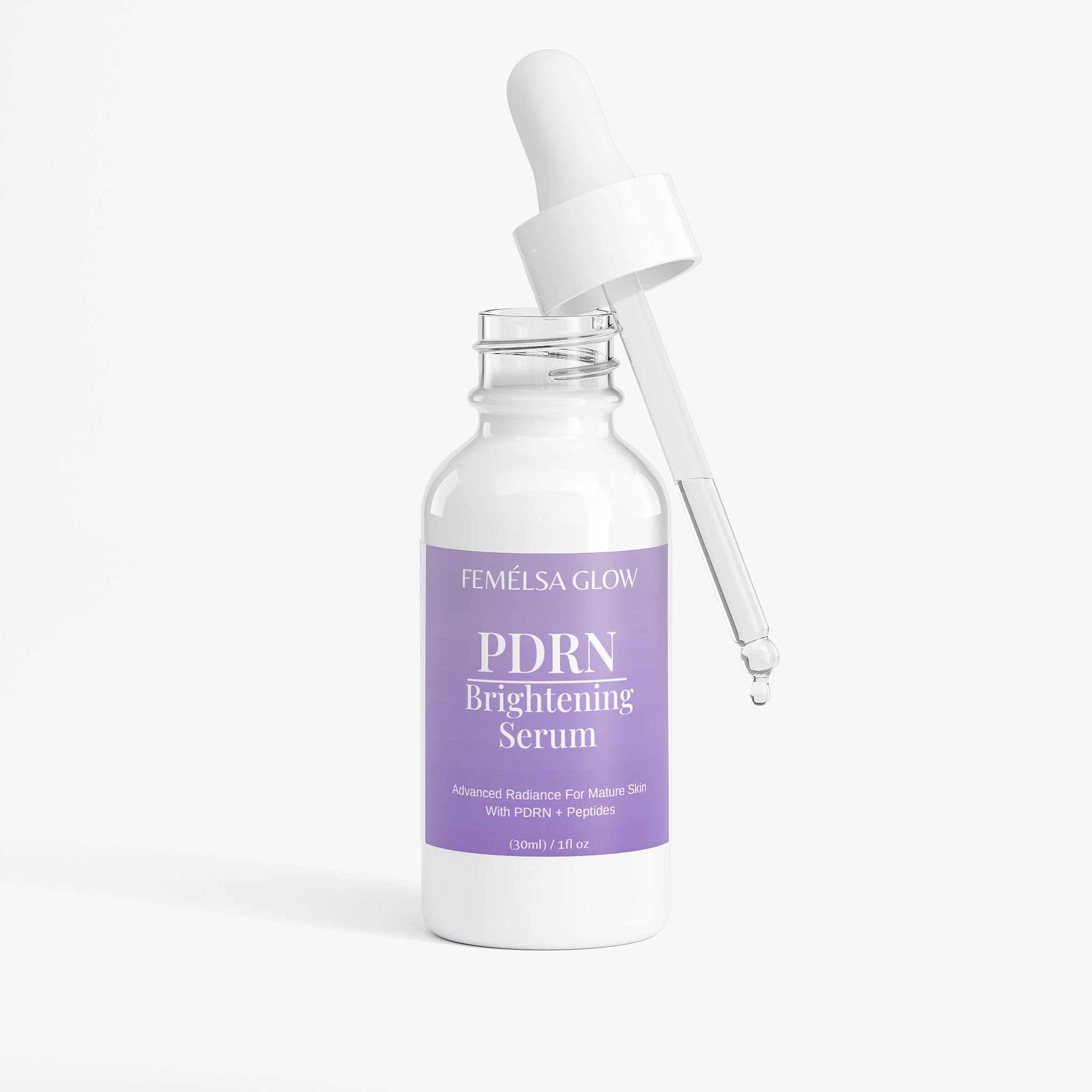
A lightweight, fast-absorbing serum designed to support skin repair, improve texture, and reveal a smoother, healthier-looking glow.
Shop Now


IN THIS ARTICLE
Femélsa Glow
A lightweight, fast-absorbing serum designed to support skin repair, improve texture, and reveal a smoother, healthier-looking glow.
Shop Now